The Spize tree

IPM Quality

Integrated Pest Management (IPM) is a smart, eco-friendly approach to controlling pests by combining multiple techniques for long-term prevention. It focuses on understanding pest life cycles and their interaction with the environment to minimize risks to people, property, and nature. IPM uses a mix of biological control, habitat management, and safe chemical use only when necessary—ensuring effective pest control with minimal environmental impact.

ipm
WE ARE ALSO SPECIALIST IN PROVIDING EUROPEAN STANDARDS,JAPAN STANDARD AND ALL GULF STANDARDS QUALITY IN ALL PRODUCTS.

IPM Quality

We supply Indian-origin IPM (Integrated Pest Management) cumin seeds, fennel seeds, coriander seeds, fenugreek seeds, mustard seeds, dill seeds, ajwain seeds, sesame seeds, kalonji seeds, flax seeds, and more — specially produced for export to the EU countries, USA, Canada, and Japan.

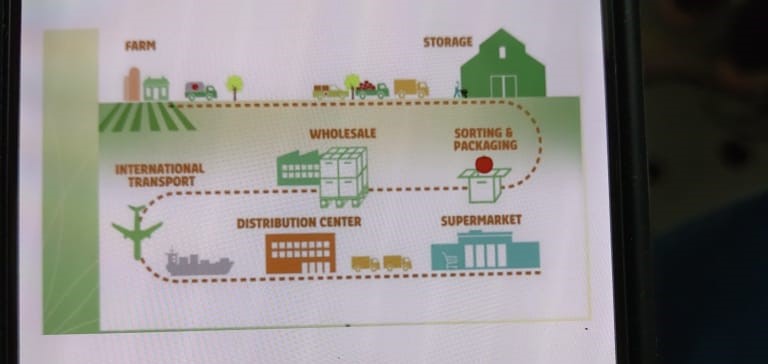
Each year, we implement IPM practices through our Backward Integration Program. We maintain detailed farmer data and follow a coding system to track their produce. This enables us to exercise strict quality control over raw materials and ensure complete traceability from farm to shipment.


Process / Steps in IPM

  • Inspection & Monitoring: Regularly observe crops or areas to identify pest types and population levels.

  • Identification: Correctly identify pests to choose the most effective and least harmful control method.

  • Setting Action Thresholds: Decide when pest activity reaches a level that requires action.

  • Prevention: Use cultural practices like crop rotation, sanitation, and resistant plant varieties to avoid pest buildup.

  • Control Methods: When needed, apply suitable measures such as:

    • Biological control – using natural enemies (predators or parasites).

    • Mechanical/Physical control – traps, barriers, or manual removal.

    • Chemical control – selective pesticide use as a last resort.

  • Evaluation: Review results and adjust the IPM plan to improve future pest management.

Benefits of Integrated Pest Management (IPM):

  1. Environmental Safety: Reduces the use of harmful pesticides, protecting soil, water, and beneficial organisms.

  2. Cost-Effective: Lowers long-term pest control costs by preventing infestations and minimizing chemical dependence.

  3. Health Protection: Minimizes exposure to toxic chemicals for humans and animals.

  4. Sustainable Farming: Promotes natural pest balance and long-term agricultural productivity.

  5. Improved Crop Quality: Reduces pest damage, leading to healthier and higher-quality produce.

  6. Resistance Management: Slows down the development of pesticide-resistant pest species.

Related Products

Scroll to Top